AI essaysworth readingtwice.
A printed anthology of essays that cut through the hype and the panic so you can form your own point of view.
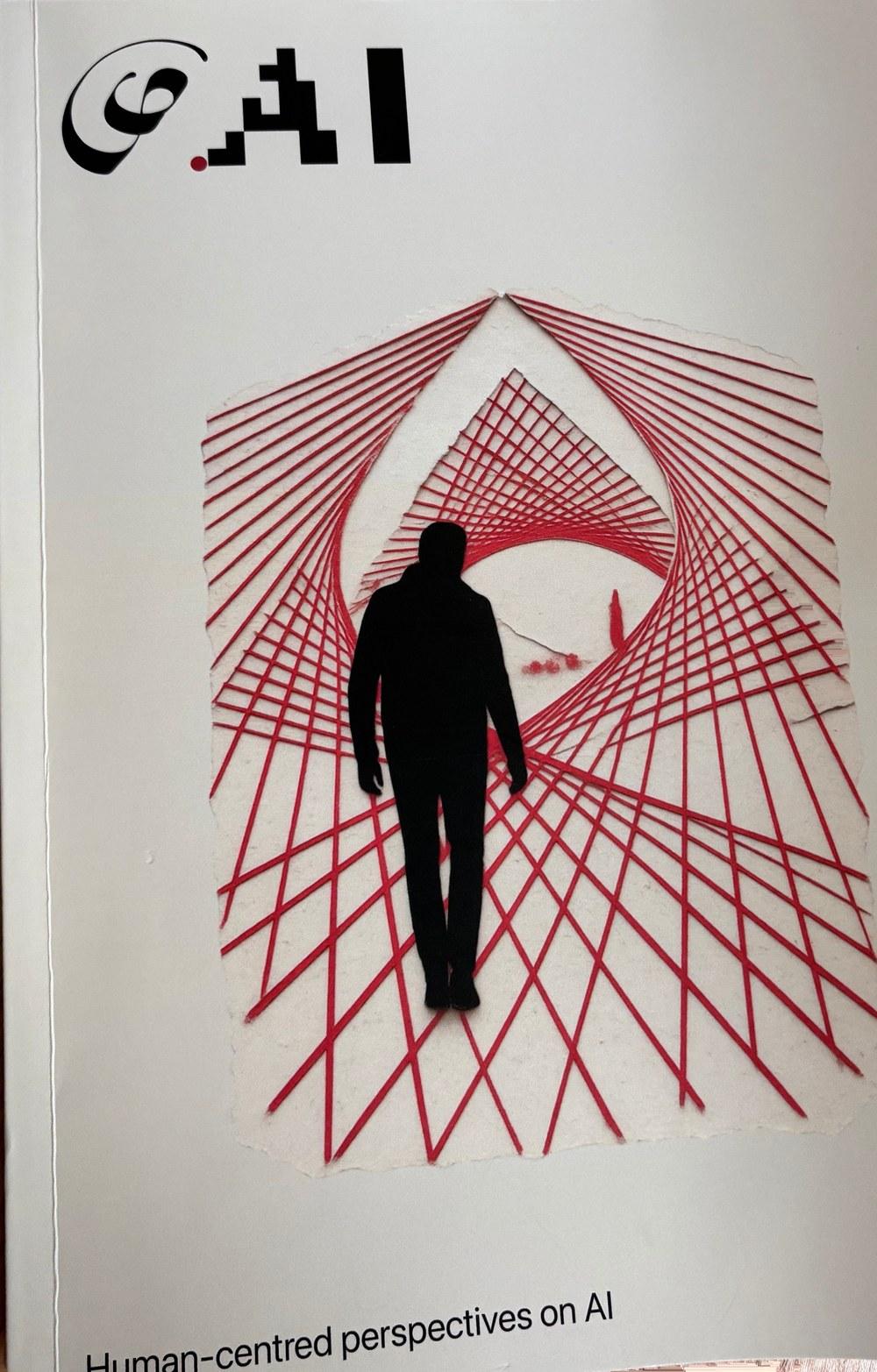
A book for people who need to think clearly about AI.
AI is moving faster than our shared ability to interpret it. Most writing about it tries to do one of two things: convince you everything is fine, or convince you we're doomed. We didn't want either.
This printed anthology aims to offer our readers a reflection pause. We present a curated collection of essays from the ΦAI (Pron. Phi and AI) collective, created to invite you to sit longer with ideas that matter. The essays deal with what AI does to us, not what AI does in general and explore the questions that stayed with us in 2025, the year AI settled into our lives.
Our promise is simple: if you read this, you should think more broadly—and maybe clearly—about AI than when you started.
That's the bar.
Eighteen essays across four thematic clusters
The connective tissue is our multidisciplinary stance.
We draw from philosophy, anthropology, economics, sociology, physics, evolutionary studies, neuroscience, and political theory, and interweave them into conversation with technology in ways that are still rare.
You'll read about:
Thinking & Being
What happens to knowing when machines produce answers nobody can explain, and to thinking when a fluent machine offers to do it for us. Epistemology, the flattening of human expression, and the philosophy that science carries without admitting to it.
Acting & Deciding
Who is actually deciding. Machine action set against human agency, the debates the industry prefers to suppress, the feeds shaping what we see, and what oversight costs the human left in the loop.
Making & Meaning
Work, craft and worth. Thinking alongside AI without handing over the thinking, what job displacement actually means once you separate it from exposure, and what we lose politically when labour stops being necessary.
Emerging & Transcending
The ideologies driving the race, and the possibility that intelligence was never ours to own. Consciousness, alignment, and what follows if we stop placing humans at the centre.
A glimpse inside the writing.
AI still cannot do true out of the box thinking — it can solve conjectures, not conjure them up.
Maria Weaver
The thinking person's guide
Excerpt01 / 12

Why a printed anthology?
Honestly? Because we love beautiful books.
We wanted something we could gift to people we care about, and keep on our shelves when we're older. We want to take a pulse of the current moment in time and immortalise it on printed paper, as we've done for centuries now.
Beyond that, reading on paper is simply different. No notifications. No feed. No algorithm quietly steering your attention away mid-sentence. We think some ideas need friction and the pages help you ruminate.
This book is an invitation to read without interference and ruminate while at it.
A global collective of multidisciplinary thinkers.
This anthology brings together writers from different disciplines, countries, and professional backgrounds. Some work in academia, some in industry, some between the two. They all share the commitment to thinking carefully about AI.
Each essay reflects the author's own perspective and expertise, but the collection was edited to hold together as a conversation, not a series of disconnected takes.
Four of them appear more than once: Karin García and Mishka Nemes contribute three essays each, Jáchym Fibír and Sebastian Osorno two.

Camila Lombana Díaz
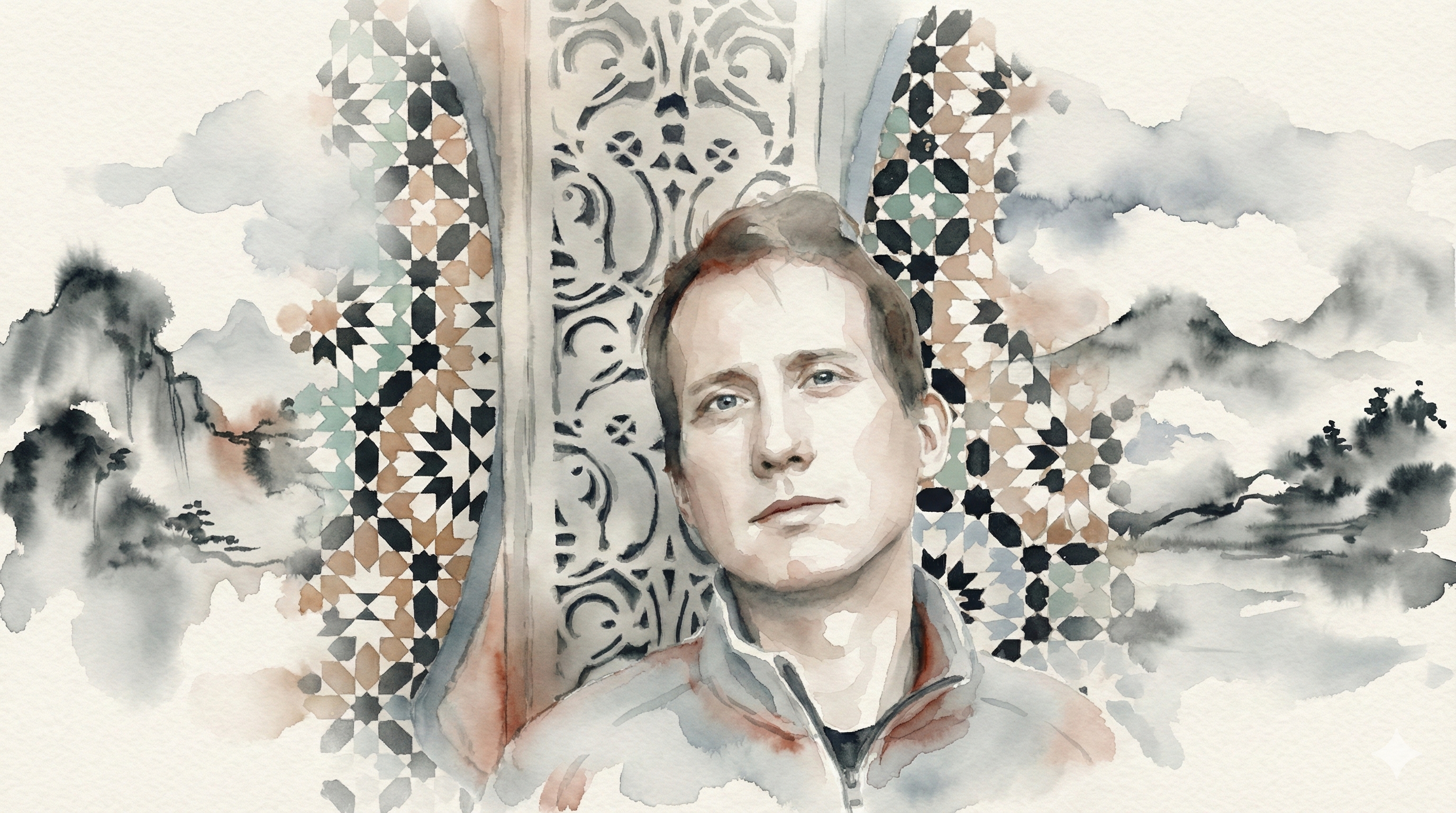
Camila Lombana Díaz is a Colombian-born AI ethics expert and researcher at SAP, where she helped design the company’s global AI ethics framework and co-authored the SAP AI Ethics Handbook and Global AI Ethics Policy. Recognized among the 100 Brilliant Women in AI Ethics™, she focuses on aligning AI with human rights and societal values. Her publications include a chapter in Human-Centered AI (Springer) and a UN Human Rights Council whitepaper. Camila’s research, co-created with Indigenous communities in Colombia, emphasizes pluriversal AI, reflecting on environmental impacts and emerging rights such as the right to disconnect.
David Schmidt
David Schmidt studied Mathematics and Sociology, and has worked in the field of machine learning and product management. Having founded a healthcare startup and worked in e-commerce and fintech, he regularly ponders and publishes on the intersection of technology, power, and community. Soul of a New Machine, the most recent project by David, examines dominant ideologies in Silicon Valley, transhumanism, and community-driven alternatives. The eponymous photographic series is presented in an exhibition in Berlin-Kreuzberg through March 2026.

Elsa Donnat
Elsa is a legal scholar and AI governance researcher working at the intersection of law, AI safety, and institutional design. With a background in EU AI policy and experience across the AI ethics and safety communities, she examines how our oldest institutions and assumptions might adapt to our newest technologies. Her writing brings perspectives from legal philosophy, political economy, and critical theory to questions about agency, power, and meaning in an age of increasingly autonomous systems.

Jáchym Fibír
2 essays
Jáchym Fibír is a psychedelic researcher and entrepreneur in AI-driven drug discovery who now prototypes quantum-inspired AI architectures aimed at reducing the gap between human and machine cognition. Drawing on his expertise spanning neuropharmacology, psychedelics and machine learning, Jáchym explores neglected frontiers - machine consciousness, sentience, and biological alignment. His vision intertwines theoretical depth with pragmatic innovation, aiming to guide AI toward meaningful symbiosis with humanity.

Karin García
3 essays
Karin García is the founding editor of ΦAI. A writer, strategist, and former startup operator, she works at the intersection of AI, product, and philosophy. With a background in startups and a decade spent guiding founders through moments of complexity, she now creates tools, workshops, and publications that help people understand and shape the future of AI. She brings a grounded, interdisciplinary perspective to the conversation at the edge of technology and humanity.
Katalina Hernández
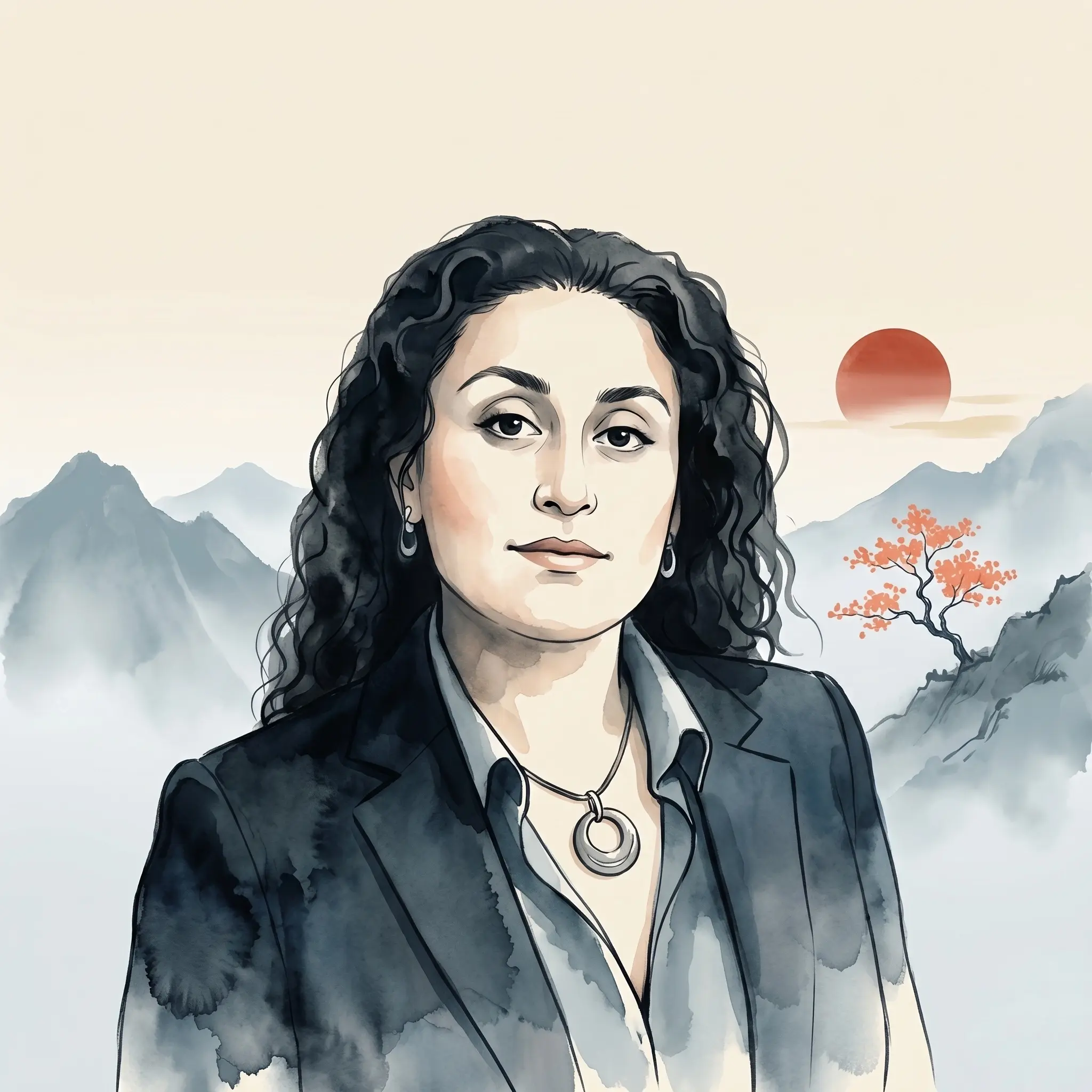
Katalina Hernández is a Legal & AI governance specialist focused on the intersection of artificial intelligence, autonomy, and digital rights. With a background in data protection and a deep interest in interpretability and alignment, her writing explores how emerging AI systems reshape agency, identity, and the regulatory landscape. She contributes regularly to conversations on AI safety, with work spanning the philosophical, the political, and the deeply personal. At PhilAI, she writes to stress-test assumptions: about machines, about humans, and the uncertain space in between.

Maria Weaver
Maria Weaver is a learning and development leader focused on helping companies grow by building better ways to learn at work. She’s led high-impact programs at Shopify, General Assembly, and Udemy - designing experiences that strengthen leadership and technical skills, improve retention and morale, and support real business outcomes. Her work is grounded in adult learning theory, instructional design, and a belief that curiosity is one of the most powerful tools a company can cultivate.

Mishka Nemes
3 essays
Mishka Nemes is a researcher working at the intersection of AI ethics, responsible AI implementation in practice and AI skills. She has extensive experience at establishing and leading on collaborations between academia, government and industry, and across most sectors impacted by AI adoption. She is particularly fascinated by the concept of intelligence, whether natural, artificial, collective, emergent or otherwise, and she enjoys exploring innovation ideas and ideologies. Right now, Mishka is focused on asking good questions and thus her contributions at PhiAI - she wants to offer a deliberation platform where readers can help fine tune her AI meanderings.

Olga Tröger
Olga Johanna Tröger Peña is a Colombian-German entrepreneur, operational excellence expert, and technoethics advocate. She is the Founder & CEO of Rayol AI Solutions and Tröger Peña International Consulting, and Co-lead of the AI Ethics Action Hub. Formerly a driving force behind AIQ Europe’s ethical direction, Olga now helps organizations embed AI responsibly, aligning technology with transparency, human rights, and operational integrity. Certified in Ethics of AI (LSE), she advocates for inclusive, values-driven digital transformation with a strong focus on societal impact and AI literacy.
Roshan Melwani
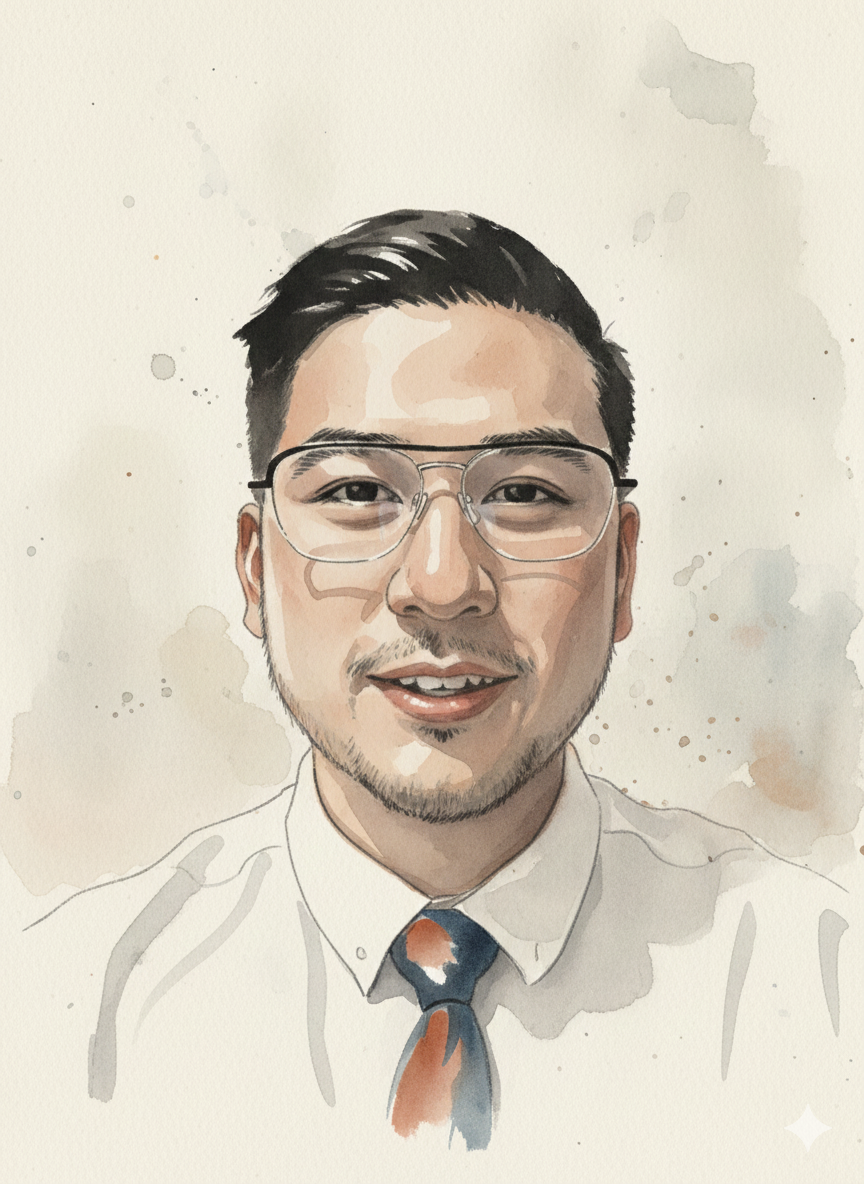
Roshan Melwani is an interdisciplinary thinker and writer at the intersection of human rights, AI governance and psychotherapy. Shaped by a life between worlds, Roshan explores what anchors us - and what unravels us - in a complex, uncertain and accelerating world. Through writing, he seeks to understand how we might design and govern technology, without losing the parts that make us human. He has worked in applied AI research, refugee law and public policy – contributing to initiatives at UNHCR, The Migration Observatory and Climate Policy Radar. In his spare time, Roshan enjoys long runs, cooking improvised meals, and browsing through bookstores in search of unexpected treasures.
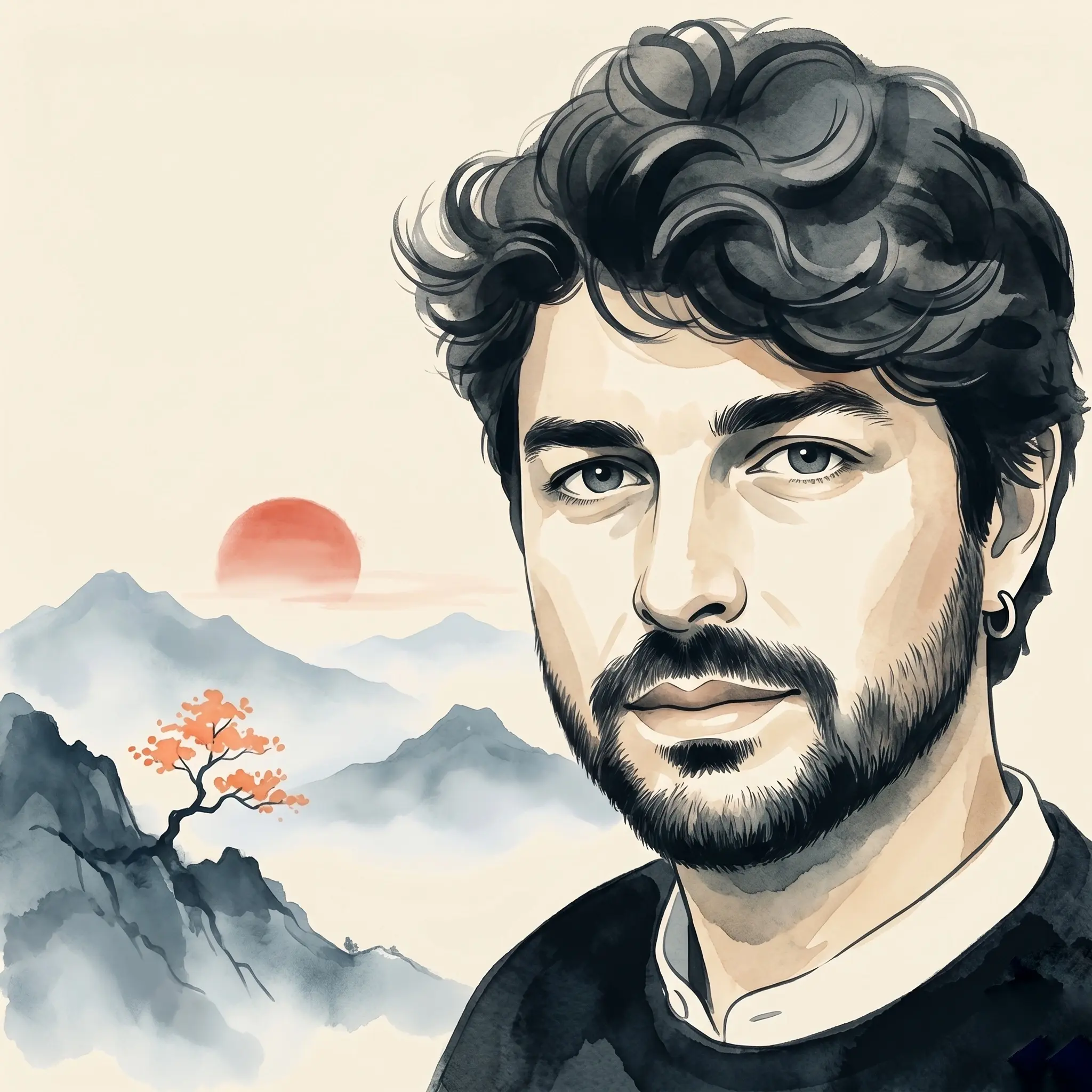
Sebastian Osorno
2 essays
Trained as a social scientist, I’ve become a generalist by conviction and necessity. Nonconformity and curiosity have led me through diverse roles: teacher, researcher, photographer, audiovisual editor, government contractor, entrepreneur, startup founder, consultant for NGOs and businesses, digital project manager, and policy advisor. I’ve worked across disciplines—strategy, operations, product, UX, education—always guided by one throughline: the power of narrative. I believe imagining better realities, especially for the vulnerable, is not optional. In an age mediated by machines, envisioning the future remains one of the most human things we can do.

Veronica Zora Kirin
Veronica Zora Kirin is the founder of Asterisk Women’s Health, cofounder of Anodyne Magazine, and founder of GreenCup Digital. She is also an anthropologist studying paradigm shifts, the author of the award-winning book “Stories of Elders,” and has presented her research at two TEDx events. Kirin has been named a Forbes NEXT 1,000 Entrepreneur, one of GO Magazine’s “100 Women We Love,” and a BEQ 40 LGBTQ Leader Under 40.
(Full contributor bios available in the book.)
About ΦAI
ΦAI is an online magazine at the intersection of the humanities and technology, run as a writers' collective. We examine the ethical, social, and existential questions raised by AI's rapid development, with clarity, integrity, and care.
Our tagline is also our ethic:
AI, Meaningfully.
Our Editorial Commitments
Interdisciplinary thinking beats isolated ideas
Long-term perspective beats hot reactions
Clarity beats cleverness
No alarmism. No tutorials. No hype.
Frequently Asked
The book went to print on 21 September 2026, a week later than we planned. Printed copies reach us at the end of September. We ship by hand, so most orders should arrive in early to mid October. If that slips, we'll write to you rather than let you wonder.
The first edition is 75 copies, each hand-numbered. Once those are gone, the book stays available print-on-demand — the same text, the same design, without a number on it.
Yes. If you change your mind before your copy ships, we'll refund you in full. No refunds once it's on its way.
Yes and no. All essays are available on our Substack, but not in this curated, edited, and illustrated form.
If you're looking for tool tutorials, prompt packs, or daily model-release commentary, this isn't that.
Yes. Email hello@phiand.ai for bulk options.